Best Upgrades Before Selling House That Pay Off
- Insights by Rob Lapthorn
- 1.4k Views
- 0 Comments
A buyer standing in your hallway will notice the loose banister, tired carpet edge or peeling paint far sooner than they will notice the expensive boiler you replaced three years ago. That is why the best upgrades before selling house are not always the biggest or most glamorous jobs. They are the changes that make a home feel cared for, easy to move into and fairly priced from the first viewing.
For sellers across Surrey, Hampshire and Berkshire, the right preparation can help your home photograph better, attract more confident buyers and avoid unnecessary objections later. The wrong project can eat into your budget and delay your move, without adding much to the final offer. The key is knowing the difference.
Best upgrades before selling house: start with condition
Before considering a new kitchen or grand landscaping plans, deal with the small defects that make buyers wonder what else has been neglected. Most buyers do not expect a period home in Frimley or a family house in Fleet to be flawless. They do, however, want to feel that it has been looked after.
Walk through your home as if you were seeing it for the first time. Look for cracked tiles, dripping taps, blown light bulbs, damaged sealant, sticking doors, loose handles and marks on walls. These are usually affordable fixes, but collectively they can make a property feel untidy or high-maintenance.
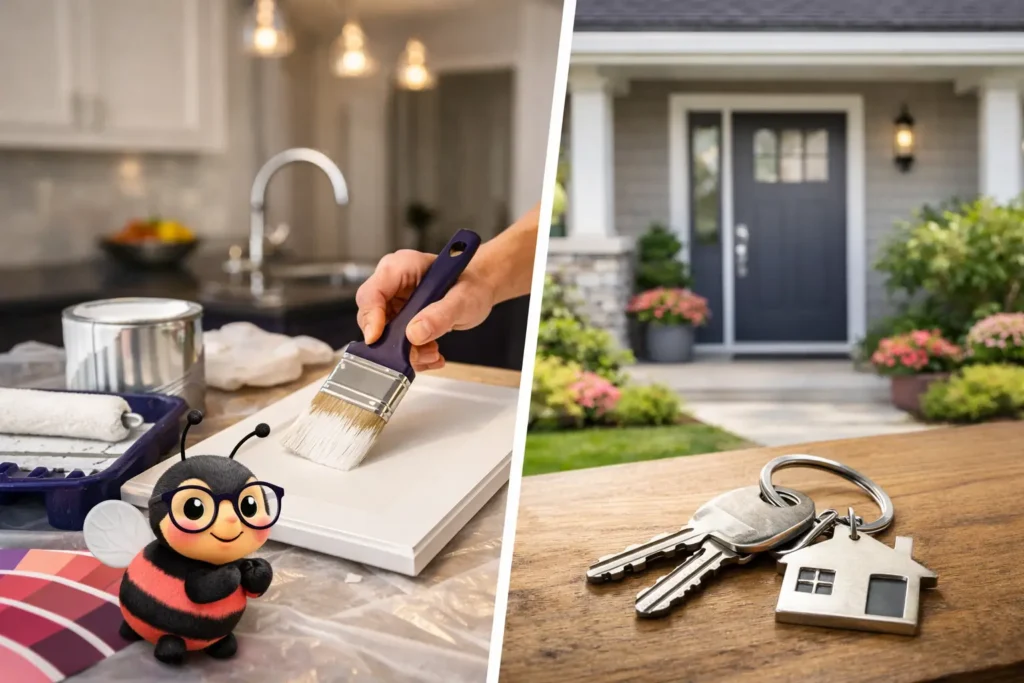
Fresh, neutral paint is often one of the soundest investments before a sale, especially in entrance halls, living rooms and bedrooms with bold colours or visible scuffs. Neutral does not have to mean characterless. Warm whites, soft greys and gentle earthy tones tend to help rooms feel brighter while allowing buyers to picture their own furniture in the space.
Do not overlook smells. Pet odours, damp, lingering cooking smells and overenthusiastic air fresheners can distract buyers immediately. A thorough clean, good ventilation and tackling the source of any persistent smell are far more effective than trying to disguise it.
Make the first impression work harder
Buyers often form an opinion before the front door has fully opened. Online, that first impression starts with the lead photograph. In person, it starts at the drive, path, gate and porch.
You do not need a complete exterior transformation. Clear weeds from paving, trim back overgrown shrubs, clean the front door, replace a tired house number and make sure the porch light works. If the front door is dated but structurally sound, repainting it in a smart, appropriate colour can be a far better use of money than replacing it.
Driveways and gardens deserve the same practical approach. A pressure wash can make paving look surprisingly different, while a neatly edged lawn and a simple seating area can help buyers understand how they might use the outside space. This matters particularly for family homes, where a usable garden can carry real appeal.
Avoid creating a garden that needs constant attention. Buyers tend to appreciate attractive outside space, but they may be put off by a garden that looks like a weekend job for the next decade.
Refresh kitchens and bathrooms, rather than automatically replacing them
Kitchens and bathrooms can influence a buyer’s decision, but full replacements are not always among the best upgrades before selling house. A brand-new kitchen may be exactly what a buyer dislikes, particularly if they were already planning their own extension or refurbishment.
If your kitchen is functional and the layout works, consider a lighter refresh. Repainting cupboard doors, changing worn handles, replacing damaged worktop edging, renewing tired sealant and updating a dated tap can make a noticeable difference. Clear work surfaces before photographs and viewings too. A kitchen looks larger and more useful when buyers can actually see the preparation space.
In bathrooms, focus on cleanliness and working order. Replace mouldy sealant, repair leaks, regrout where needed, fit a fresh toilet seat and remove bottles from every ledge. If the basin, bath or tiles are an unusual colour but in good condition, do not assume a full refit is essential. Presenting the room as clean, bright and usable may be enough for the right buyer.
There are exceptions. A bathroom with a serious leak, damaged flooring or a kitchen with broken units and unsafe electrics needs more than cosmetic attention. In those cases, resolving the underlying issue protects both the sale and your negotiating position.
Improve light, warmth and the sense of space
Homes that feel bright, warm and straightforward to live in tend to make a better emotional connection at viewings. Start simply by cleaning windows, opening curtains fully and replacing failed bulbs with matching warm-white LED bulbs. Dark corners and mismatched lighting can make even a generous room feel less inviting.
Decluttering is not technically an upgrade, but it can be more valuable than one. Remove excess furniture, clear the hallway, tidy shelves and store bulky items where possible. Buyers need room to move and to imagine their own lives in the property. A packed spare bedroom should feel like a flexible bedroom or office, not a storage unit with a bed squeezed in.
If your home has obvious draughts, poor loft insulation or a boiler that needs servicing, address what is sensible before marketing. Buyers are increasingly alert to running costs and energy efficiency. That does not mean every seller should rush to install expensive new windows or solar panels. The value of larger energy improvements depends heavily on the property, its existing condition, local buyer expectations and how long you plan to stay before selling.
For a home that is otherwise well presented, small practical measures such as draught-proofing, servicing heating controls and making sure radiators work properly can provide more immediate reassurance.
Be cautious with large, personal projects
The upgrades least likely to pay back are often the ones chosen purely for personal taste. High-end fitted wardrobes, a very specific media wall, luxury wallpaper or an ambitious garden room can be lovely, but they will not suit every buyer.
Extensions and loft conversions are different. They can add significant appeal when they create genuinely useful space and are completed to a good standard. But they are rarely a quick pre-sale project. They take time, involve cost and disruption, and may raise questions around permissions, building regulations and documentation. If you are considering major work, speak with an experienced local agent first to understand whether your area and property type are likely to justify it.
The same applies to converting a garage. In some locations, an additional reception room or office is attractive. In others, particularly where parking is tight, losing secure storage or a garage may be a drawback. There is no universal answer – local demand matters.
Spend according to your likely buyer
A two-bedroom starter home, a family house near sought-after schools and a bungalow appealing to downsizers will not benefit from exactly the same preparation. Think about who is most likely to view and what they will care about first.
Families may value usable bedrooms, storage, a clean garden and a well-organised kitchen. First-time buyers may be drawn to a home that feels ready to move into without a long repair list. Downsizers may prioritise a manageable layout, good natural light, parking and a low-maintenance exterior.
This is where honest local advice is useful. An agent who knows the streets, buyer feedback and competing homes can help you distinguish between a worthwhile £500 refresh and a £15,000 project that will not change your sale price. At Property Bee, that conversation starts with the condition of your home, its likely market position and the buyers it is most likely to attract – not a generic checklist.
Prepare the paperwork as well as the presentation
A well-presented home can still lose momentum if important information is missing. Gather paperwork for any significant work, warranties that remain valid, boiler servicing records and certificates where relevant. If you have had planning permissions, building work or electrical work carried out, make sure you know what documents are available.
You do not need to become a conveyancer before your first viewing, but being organised gives buyers confidence and can make the journey from offer to completion less bumpy. For questions about legal documents or your personal financial position, a qualified solicitor, accountant or mortgage broker should provide the formal advice.
The most effective pre-sale upgrades are usually the ones that remove doubt. Repair the obvious issues, brighten the spaces buyers will remember and spend money where it supports the value already in your home. A friendly chat with a local property expert before booking the trades can help ensure your budget is working as hard as it should.
