Do Video Tours Sell Homes? What Sellers Should Know
- Insights by Rob Lapthorn
- 1.4k Views
- 0 Comments
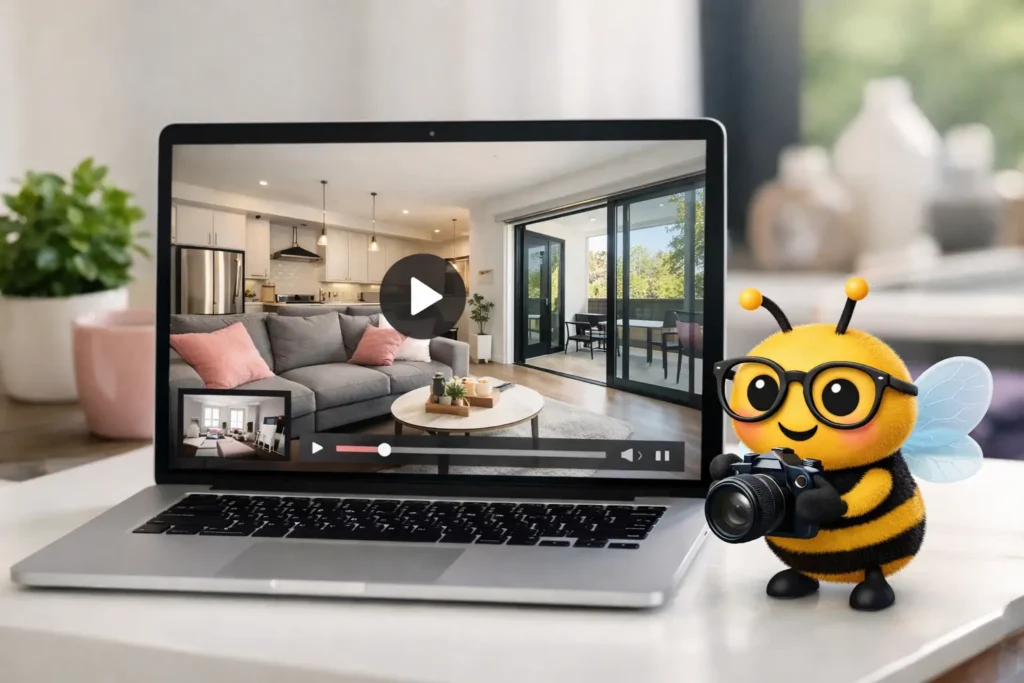
A buyer scrolling through property listings in the evening may give each one only a few seconds of attention. Clear photographs get them to pause, but a well-made video can help them picture the school run, Sunday lunch in the kitchen or a quiet coffee in the garden. So, do video tours sell homes? Not on their own, but they can make a real difference to how many of the right buyers engage with a property and how prepared they are when they book a viewing.
For sellers across Surrey, Hampshire and Berkshire, video has become a valuable part of presenting a home properly online. The key word is properly. A rushed walk-through filmed on a phone is unlikely to make a buyer fall in love with a house. A thoughtful, honest tour that shows space, flow and lifestyle can.
Do video tours sell homes or simply win clicks?
A video tour does not replace accurate pricing, strong photography, a well-written listing or an experienced agent handling viewings and offers. Homes still sell when the price reflects the market, the presentation is right and buyers feel confident enough to act.
What video does particularly well is reduce the gap between a buyer seeing a listing and understanding what it might feel like to live there. Floorplans are useful for dimensions. Photos show individual rooms at their best. Video connects those rooms, showing how the hallway leads into the kitchen, where the light falls in the sitting room and whether the garden feels private or overlooked.
That fuller picture tends to encourage more meaningful enquiries. It can also discourage viewings from people who quickly realise the layout, location or style is not for them. Fewer wasted appointments are good news for sellers, especially families trying to keep a home tidy while living in it. There is only so many times anyone wants to hide the washing basket before a viewing.
The benefit is often quality rather than sheer quantity. A buyer who has watched a useful tour may arrive with better questions and a clearer understanding of the property. They are not necessarily ready to offer, but they are further along in their decision-making.
Why property video helps buyers make decisions
Buying a home is emotional, but it is also practical. Buyers are weighing bedrooms, commutes, storage, gardens, parking and the condition of the property against their budget. A good video helps with both sides of that decision.
It gives a sense of flow
Still images can make even a modest room look appealing, yet they do not always explain how a house works day to day. Is the dining space connected to the kitchen? Does the fourth bedroom work as an office? Can someone see the children playing in the garden from the main living area?
A video tour provides context. This matters particularly for homes with extensions, unusual layouts, split-level accommodation or gardens that are a real feature. In areas with a mixture of period cottages, family houses and newer developments, no two properties follow the same script.
It reaches buyers when they cannot visit
Many buyers begin their search outside normal viewing hours. Some are relocating, juggling work and children, or trying to sell their own property before making a trip to Camberley, Woking, Fleet or Bracknell. A video gives them a more useful first look than photos alone.
It should not be treated as a substitute for an in-person viewing. Buyers still need to experience room sizes, natural light, road noise and the feel of the neighbourhood for themselves. But video makes the first stage easier, especially for people narrowing a long list of possible homes.
It builds confidence through transparency
The most effective property videos are polished without pretending a home is something it is not. They should show the strongest features, of course, but they should also accurately represent the layout and scale.
Over-editing can backfire. If a buyer arrives expecting a vast kitchen and finds something much smaller, trust disappears before the viewing has properly started. An honest tour sets sensible expectations and gives the eventual viewer a better chance of being pleasantly surprised rather than disappointed.
What a useful video tour should show
There is no need for a feature-length film. Most buyers want a clear, well-paced introduction to the property, not dramatic music and twenty aerial shots of the roof. Drone footage can be excellent where the setting, plot, nearby countryside or location adds genuine value, but it should support the story of the home.
A strong video usually begins with the approach and entrance, then follows a natural route through the main accommodation. It should show the primary living spaces, kitchen, bedrooms, bathrooms and garden, while drawing attention to details that help a buyer understand everyday life. That might be off-street parking, a home office, built-in storage, a garden room or access to a local station.
Narration is not essential, although it can be helpful when it adds local context or explains an unusual feature. The priority is steady filming, good lighting and a pace that lets buyers take in each space. A video that races through rooms can feel more like a rollercoaster than a viewing.
Professional photography and a measured floorplan remain just as important. Some buyers prefer to scan photographs closely before watching a tour, while others will watch the video first. Each element gives them a different way to assess the home.
When video tours have less impact
Video is not a magic answer for every sale. If a property is incorrectly priced, has limited appeal at its current price point or is marketed without a clear strategy, a tour will not solve the underlying issue. More exposure is only useful when the right buyers feel the property represents good value.
It can also be less influential where buyers are focused on a highly specific requirement, such as a particular school catchment, plot size, redevelopment potential or walking distance to a station. In those cases, accurate written details, plans and a knowledgeable conversation may carry just as much weight.
There is also a balance to strike around privacy. Sellers may prefer not to show family photographs, valuables, children’s rooms in detail or certain personal items. That is entirely reasonable. Preparing for filming can be similar to preparing for photographs: declutter surfaces, open curtains, remove anything sensitive and keep the focus on the property rather than possessions.
An experienced agent should advise on what to feature and what to leave out. The aim is to make your home inviting, not to turn your private life into a public display.
Video works best as part of a joined-up sale
The best results come from treating video as one part of a wider marketing and sales plan. A well-presented listing needs to reach suitable buyers through property portals, agent databases and active buyer matching. Once enquiries arrive, prompt responses, accompanied viewings and useful feedback keep momentum going.
Then comes the part no camera can do: understanding a buyer’s position, handling questions, negotiating an offer and managing the chain through to completion. This is where good estate agency earns its keep. An attractive video may start the conversation, but clear communication and careful sales progression help turn interest into a completed move.
At Property Bee, video tours are used to show a home at its best while keeping the presentation honest and buyer-friendly. They sit alongside professional marketing and hands-on support from valuation through to completion, rather than being treated as a flashy extra.
Should every seller use a video tour?
For most homes, the answer is yes, provided the video is professionally planned and appropriate for the property. It is especially worthwhile for family homes, houses with a standout garden or extension, character properties, homes in attractive settings and properties likely to appeal to relocating buyers.
For a straightforward flat or a home where the budget needs to be carefully managed, the decision may depend on the overall marketing package and local competition. It is worth asking what the tour will show that photographs and a floorplan cannot. If the answer is clearer flow, better context and a more engaging first impression, it is likely to earn its place.
Before choosing an agent, ask to see examples of their property videos. Look for accurate presentation, sensible pacing and a style that makes it easy to understand the home. You should also ask how the video will be used, who it will be shown to and what happens after an enquiry lands.
A good video tour cannot make the decision for a buyer, nor should it. What it can do is help the right person imagine a life in your home before they step through the front door. When that first viewing happens with genuine interest and realistic expectations, the whole selling process starts on much firmer ground.
