What Happens During House Viewings? A Seller’s Guide
- Insights by Rob Lapthorn
- 1.6k Views
- 0 Comments
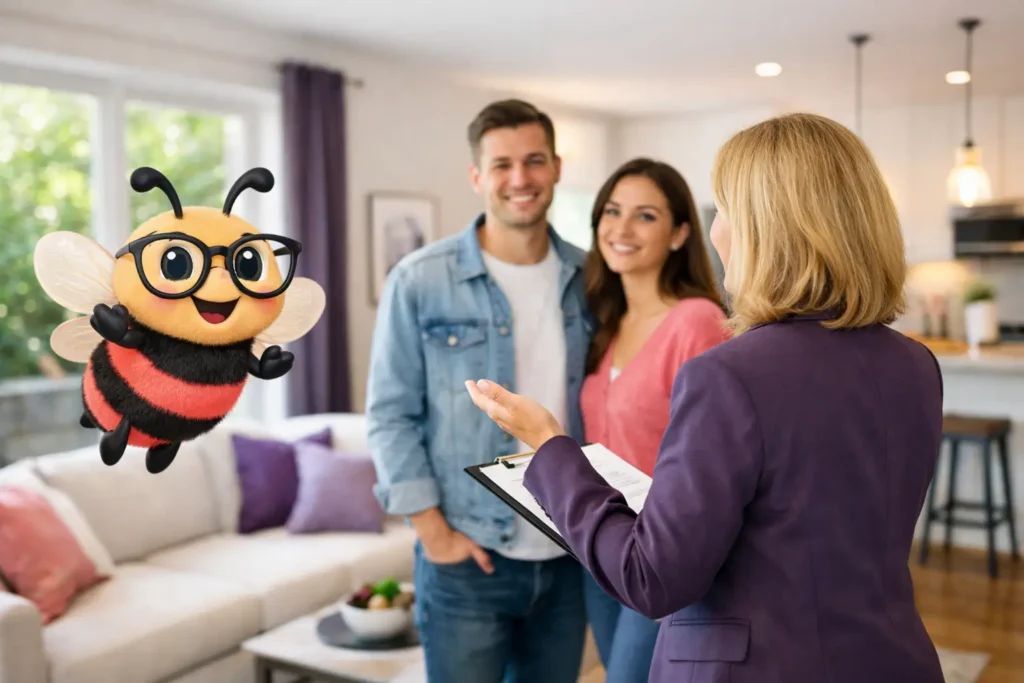
A house viewing can last 15 minutes, yet it may shape one of the biggest decisions a buyer makes. For sellers, knowing what happens during house viewings takes some of the mystery out of the process and makes it easier to prepare without turning your home into a showroom that nobody can actually live in.
Most viewings are straightforward: buyers arrive, look around, ask questions and leave to consider whether the property could suit their life. Behind that simple sequence, though, there is plenty an experienced agent is watching, managing and following up on. The aim is not to pressure anyone into a decision. It is to give the right buyers enough space, information and confidence to picture themselves living there.
Before the viewing: getting the home ready
A viewing begins well before the doorbell rings. Your agent should confirm the appointment with you and the buyer, check that the buyer is in a position to proceed where possible, and make sure they have the key details of the property. If there are particular features worth highlighting – a newly replaced boiler, a south-facing garden, allocated parking or a useful loft room – these should be understood beforehand rather than remembered halfway through the tour.
For sellers, preparation is about making the home feel welcoming and easy to view. It does not mean expensive renovations or hiding every sign of family life. A few coats by the front door and a lived-in kitchen are perfectly normal. What matters more is that buyers can move through each room easily, see natural light coming in and understand the available storage and layout.
A quick tidy, clear worktops, fresh air and sensible lighting go a long way. If possible, avoid cooking particularly strong-smelling food just before a viewing. Likewise, keep pets comfortable and out of the way where practical. Not every dog is thrilled by strangers inspecting the skirting boards.
It also helps to leave the property for the viewing, particularly when it is accompanied by an agent. Buyers are often more open with their questions when the owner is not in the room, and they can take their time looking at cupboards, views and room sizes without feeling they are intruding. If staying is unavoidable, a friendly hello followed by giving them space is usually best.
What happens during house viewings?
An accompanied viewing usually starts with a short welcome and an overview of the home. The agent will often lead buyers through in a natural order, commonly beginning with the entrance, reception spaces and kitchen, before moving upstairs and finishing in the garden, garage or parking area.
There is no single perfect route. In a family house in Camberley or Fleet, buyers may be especially interested in bedroom sizes, school runs, garden privacy and whether there is room to work from home. For a downsizer, easy access, manageable outside space and the condition of the property may be higher on the list. A good viewing is shaped around the people standing in the hallway, not delivered as a memorised script.
The agent will point out key features, but should not talk over the buyers. There needs to be breathing room for them to look, talk quietly and imagine where their furniture might go. That pause in the kitchen or by the garden doors is often where genuine interest develops.
Buyers commonly ask about practical matters such as:
- how long the seller has lived there and the reason for moving
- parking arrangements, council tax band and approximate running costs
- improvements made to the property and when they were completed
- the age or condition of the boiler, windows, roof or electrics
- local schools, transport links, shops, walking routes and the wider area
Your agent can answer factual questions using the information available and will follow up where something needs checking. It is better to say, “We will confirm that for you,” than to guess. Clear, accurate answers build more confidence than a hurried response ever will.
Buyers may open fitted cupboards, look in wardrobes, check mobile signal, stand quietly in a bedroom or spend a little longer in the garden. This is normal. They are working out how the property functions day to day, not merely admiring the décor. They may also notice details sellers no longer see, such as road noise at a certain time, awkward furniture placement or the amount of storage. That is not automatically a criticism. It is part of a serious buyer’s decision-making process.
First viewings versus second viewings
A first viewing is usually about fit: does the location work, do the rooms feel right and can the buyer imagine living there? Some buyers know within minutes that a property is not for them. Others may return for a second viewing once they have compared it with other homes.
A second viewing is often a positive sign, although it is not a promise of an offer. Buyers tend to inspect more carefully the second time. They might bring a parent, builder or friend, measure for furniture, check the garden orientation again or revisit questions about alterations and condition. Sellers should prepare the home just as carefully for a second viewing, while remembering that a closer look is entirely reasonable before someone commits to a major purchase.
The agent’s role while buyers are in the property
The best accompanied viewings feel calm rather than sales-heavy. An agent’s job is to keep the appointment well organised, present the property honestly and make sure relevant questions are answered. They will also read the room: some buyers want plenty of local detail, while others prefer to explore quietly before discussing the property.
Local knowledge can be particularly valuable here. Buyers relocating to Farnborough, Yateley, Frimley or the surrounding area may need an honest sense of the neighbourhood, commuting options, nearby green space or what daily life feels like. Good advice should be helpful and balanced, rather than a hard sell.
An agent also protects the seller’s time and security. Appointments are arranged, visitors are accompanied where agreed, and access is managed professionally. It is sensible to put away valuables, personal documents, spare keys and prescription medication before any viewing, just as you would before welcoming unfamiliar visitors into your home.
What happens after a house viewing?
The viewing does not end when the front door closes. Prompt follow-up is where a proactive agent can make a real difference. The buyer should be asked what they thought, what they liked, what gave them pause and whether they would like to return or discuss making an offer.
Not every buyer will give detailed feedback immediately. Some need to speak with a partner, check finances or view another property that day. Others may be candid about a concern, such as the size of a third bedroom, the amount of work required or the asking price. While feedback can occasionally be frustrating to hear, it is useful market intelligence when handled properly.
One negative comment does not mean you need to redecorate, reduce the price or panic. The key is to look for a pattern. If several well-matched buyers mention the same issue, it may be worth considering how the home is presented, whether a feature needs clearer explanation, or whether the price is fully aligned with buyer expectations. If feedback is mixed, it may simply mean the property is not right for every household – and it does not need to be.
A good agent should share feedback honestly, including the encouraging parts and the less comfortable ones, then talk through sensible next steps. Sometimes the answer is patience. Sometimes a small presentation change helps. Occasionally, the marketing or pricing strategy needs a closer look. The right response depends on the quality of enquiries, the number of viewings and the feedback being received, not on one person’s opinion.
If a buyer wants to make an offer
When a buyer decides to offer, the agent will take the amount and any conditions, then establish their position. This normally includes whether they have a property to sell, whether it is under offer or sold subject to contract, how they plan to fund the purchase and their preferred timescale.
Sellers are entitled to hear every offer put forward, but accepting the highest figure is not always the best outcome. A lower offer from a buyer with no chain and an agreed mortgage in principle may be more attractive than a higher offer from someone whose own sale is uncertain. Your agent should explain the strengths and risks of each position clearly, leaving you in control of the decision.
Once an offer is accepted, the work becomes less visible but no less important. Solicitors, surveyors, lenders and everyone in the chain need to keep moving. Property Bee supports sellers right through to completion, with regular communication and practical chasing when it is needed.
A well-prepared, well-managed viewing gives buyers the facts and the feeling they need to take the next step. Keep your home welcoming, let people look properly, and use the feedback to make informed decisions rather than emotional ones. Moving is personal, but the process works best when it is handled with calm, honest local advice.
